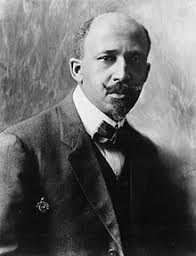
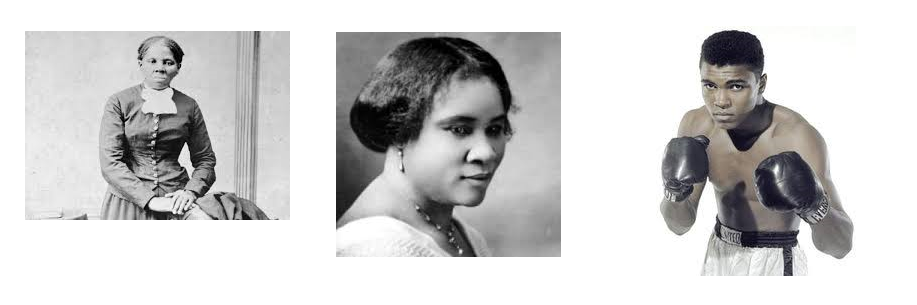
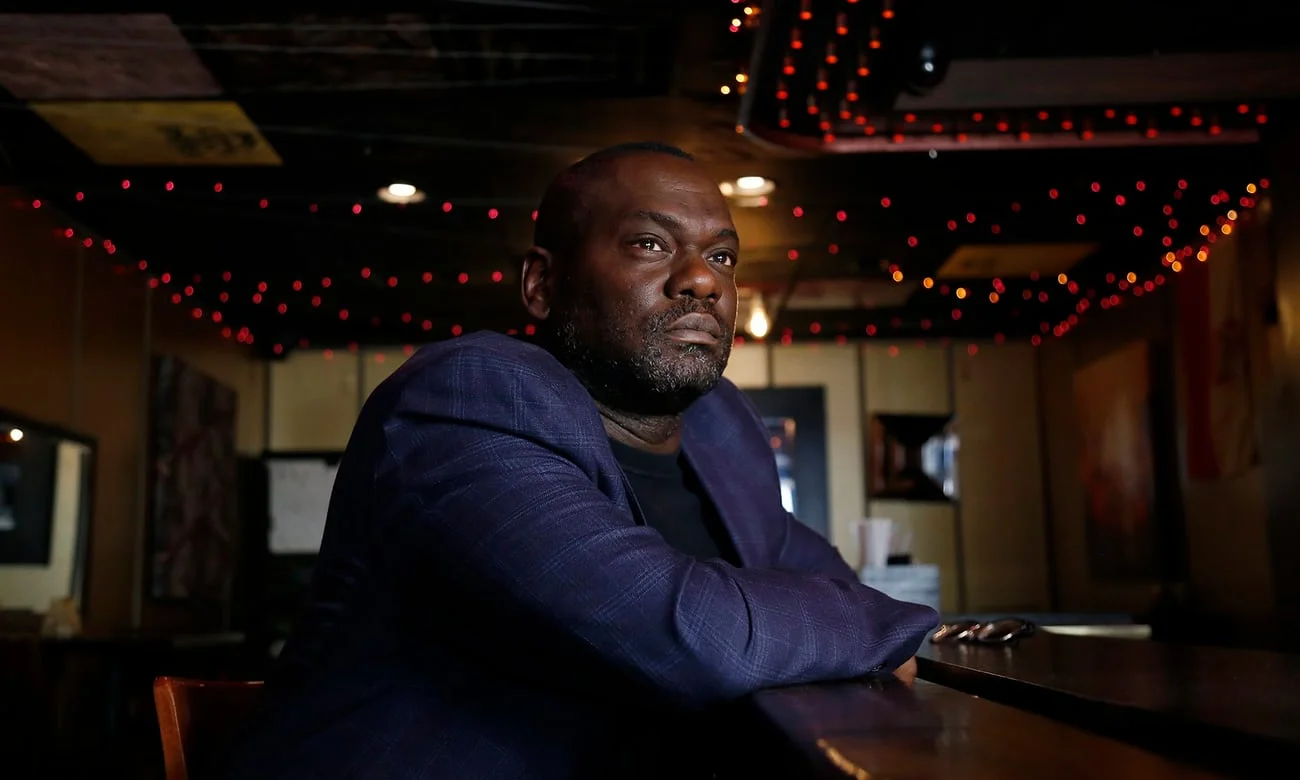
Mark Sanders launched the Online Museum of African American Addictions, Treatment and Recovery in 2016 to share research that he's gathered over the course of his career on effective approaches to substance use disorder prevention, treatment and recovery in the African American community. The Online Museum also celebrates the many ways that both African Americans and non-African Americans have worked to promote treatment and recovery within African American communities and beyond.
In the interview that follows, Mark tells what inspired him to start the Online Museum and describes the many resources it offers.
What inspired you to create the Online Museum of African American Addictions, Treatment, and Recovery?
Mark Sanders:
“My reason for creating two-fold: First, it was personal, in that all of the people who I love have had the disease of addiction. Both of my grandfathers died from alcohol use disorders. Second, it all goes back to 1986, the year that crack cocaine replaced marijuana as the major street drug. In May 1986, my dad died of a crack-cocaine-induced heart attack. One month later, the morning after signing with the Boston Celtics as the number one player in the NBA, college basketball star Len Bias died of a cocaine overdose. As the Museum intro notes, Congress intensified the war on drugs at that time, leading to a vast increase in incarceration rates of people with substance use disorders, most of them African American men.
Also in 1986, I graduated from grad school and took a job as a social worker with General Motors in Chicago. My job was to determine length of stay for GM employees identified with substance use disorders. Many of these individuals were African American men who were sent to treatment facilities that had limited experience in treating African Americans. This marked the beginning of my gathering research on effective substance use treatment for African Americans. I started to speak on the topic at conferences and professional meetings, and in 1993, I wrote my first book, Treating African American Substance Users.
Throughout those years I frequently spoke with my mentor Bill White, who in my mind is the top historian in the treatment and recovery services field. We would talk regularly about the history of addiction in America in general and more specifically, within the African American population.
Bill has written more than 400 articles on recovery, which are posted on his website, Selected Papers of William L. White, to make them more accessible to people outside the realm of research. Bill’s site had a great influence on the launch of the Online Museum.
Bill and I had written a series of articles on the African American experience, with my wife, Tanya, who is also a social worker. One of the articles, Addiction in the African American Community, relates the recovery stories of Frederick Douglass and Malcolm X, and what we could learn from them. A second article, When I Get Low, I Get High, examines how addiction is portrayed in African American music. Another article explores the portrayal of addiction in literature and movies. With these articles, I realized that I could create a site similar to Bill’s, with a goal to make sure that the story of African American addiction, treatment, and recovery is told from multiple perspectives. The Online Museum launched in June 2016.
How do you select content for the Online Museum?
“Sometimes, I do a strategic search for things such as examples of Alcoholics Anonymous in African-American communities, or African Americans and the temperance movement. Often, the content finds me. I look for inspirational quotes or stories to highlight the successes of other groups—for example, March 8, National Women’s Day, or National Hispanic and Latino heritage month.
Martin Luther King Day, I found a 20-minute YouTube video of Dr. King talking to young people about hope, one of his most inspirational talks: What is Your Life’s Blueprint.With that, I began to think about the importance of instilling hope among young African Americans as a prevention tool.
We are lucky to have a lot of great contributors. Dr. Carl Bellhas a page on the Online Museum—right now his focus is on fetal alcohol syndrome. Fred Dyerhas a page on working with emerging adults. Bill White has also given us permission to repost from his blog.
The Online Museum includes a blogwith posts by a variety of writers. I always have my eyes and ears open for content. A recent post was inspired by the comments to an online trivia contest that asked: “What well-known comic is from Peoria, IL.” The answer, Richard Pryor, raised a question about why we should celebrate Pryor, given his problems with drugs and alcohol. What many people don’t know about Pryor is that he suffered terrible childhood abuse, and that led to a blog post, Don’t Judge a Man Until You Have Walked A Mile in His Moccasins: Defending Richard Pryor, about the relationship between adverse childhood experiences and later substance use.
One of the most popular blog posts, based on number of page views, is An Open Letter to The Hip Hop Community (Rappers): Your Lyrics Can Increase the Risk of Relapse.”
Describe some ways that the Online Museum content has been used since you launched the site.
“In 2018, the Online Museum was viewed by people in all 50 states in 88 countries. So far, in 2019, we’ve had visitors from 36 states in and 18 countries.
When we first developed the Online Museum, we went to the ATTC directory of addiction counselor training programs across the United States. We sent information on the site to all of those programs.
Some institutions or addictions studies programs are using the Online Museum in their curricula. The Online Museum is also featured in a webinar that I presented for NAADAC, titled “Counseling African Americans with Substance Use Disorders.”
Treatment counselors use the Gone Too Soon! to share stories of how alcohol and drug use has shortened the lives of many athletes and celebrities.
How can addiction treatment and recovery services professionals use the site during Black History Month and all year long?
“I encourage people to peruse the site and make a commitment to learning something new about the African American community. Treatment professionals can read the scholarly articles specific to treatment and recovery issues, and try to implement some of the ideas presented. The content on the site may be especially valuable to young white professionals who are new to the field and working with African American or other populations for the first time. The Online Museum content can also be an excellent resource for older professionals who are mentoring someone just starting out.
The Story of the Month section of the site aims to help reduce stigma and bust stereotypes about African Americans—each story demonstrates that African Americans can and do recover. This page can be a useful tool for counselors and inspiration for people seeking recovery.
The Addiction Hall of Fame is also designed to challenge stereotypes and celebrate all that African Americans have done to help promote addiction treatment and recovery. We recently announced the 2019 inductees, and their profiles are featured on the site.”
It is my hope that people who are interested in the subject of addictions history, treatment and recovery among African American in the present and the future can utilize the museum as a source of information. The biggest hope is that people interested in the subject 50 years from now will grab the baton and continue the work.”
About Mark Sanders:
Mark Sanders, LCSW, CADC, is an international speaker, trainer, and consultant in the behavioral health field whose work has reached thousands throughout the United States, Europe, Canada, Caribbean and British Islands.
Mark is the author of five books, which focus on behavioral health. Recent writings include Slipping through the Cracks: Intervention Strategies for Clients Multiple Addictions and Disorders, Recovery Management: and Relationship Detox: Helping Clients Develop Healthy Relationships in Recovery. He has had two stories published in the New York Times best-selling books series, Chicken Soup for the Soul. Mark has been a certified addictions counselor for 34 years. He has received numerous awards including a Life Time Achievement Award from the Illinois Addiction Counselor Certification Board and the Barbara Bacon Award for outstanding contributions to the Social Work profession as a Loyola University of Chicago Alumni.
Mark is co-founder of Serenity Academy of Chicago, the only recovery high school in Illinois. He is past president of the board of the Illinois Chapter of NAADAC. He has had a 30 year career as a university educator having taught at the University of Chicago, Illinois State University, Illinois School of Professional Psychology, and Loyola University of Chicago, School of Social Work.
Article prepared by Maureen Fitzgerald, Great Lakes ATTC and ATTC Network Coordinating Office.