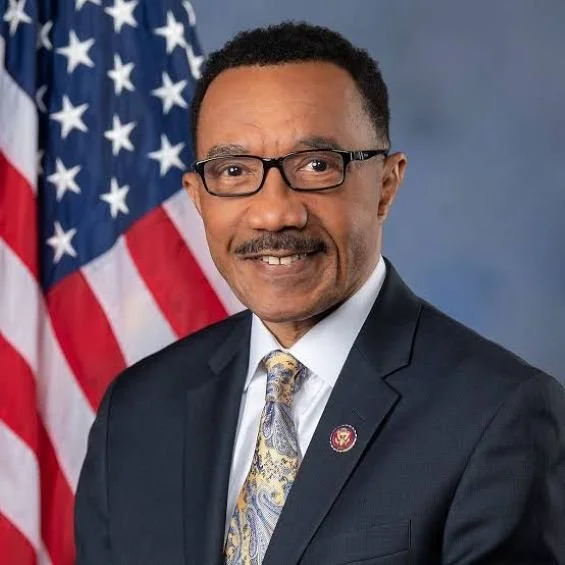
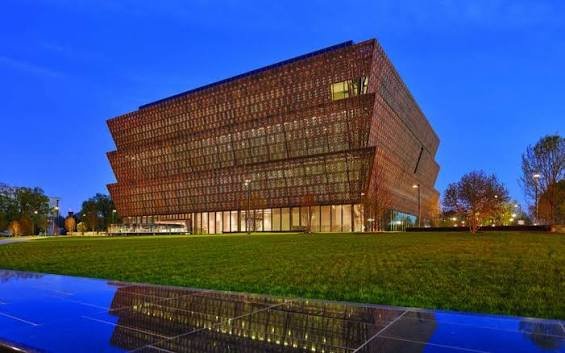
This post is inspired by a recent speech delivered by U.S. Representative Kweisi Mfume. In the speech Mfume said, “If you erase it, we will replace it.” He was speaking of recent discussions of the current political administration’s potential plans to remove some of the history from The National Museum of African American History and Culture. This was following the administration’s decision to dismantle federally funded DEI initiatives.
Those of you working in substance use disorder programs funded by the federal government are aware of edicts to eradicate culturally responsive programming for African Americans and other historically and currently marginalized communities. Some of you work in programs that are continuing, despite the edicts, to provide culturally responsive services. Dr. Martin Luther King called this, “Defying an unjust law.” Others work in programs for which there has been a decision to completely avoid a focus on culture. If your program has chosen the latter path, you can still:
Make sure some images of African Americans are included in audiovisual and written educational materials shared with clients.
Connect African American clients with counselors who practice cultural humility.
Have some art/images of African Americans on your walls within your organization, which can help create a sense of welcoming and belonging.
Put quality assurance measures in place to help ensure that African American clients do not receive harsher sanctions than other clients for the same programmatic violations.
Advocate for African American clients in treatment as you would other clients.
Help African American clients connect with African American 12-step sponsors if that is their preference.
Connect African American clients with mutual aid groups with reputations of being welcoming to African Americans.
Link clients with recovery coaches indigenous to African American communities.
Work with the extended family (the primary unit for African Americans).
Representative Mfume closed his speech with these words. “We will not let you destroy that museum. Its history is too sacred.” As addictions professionals, let’s take our cues from Representative Mfume. Onward!