• Home
  • Museum History
  • Blog
  • Free Scholarly Articles
  • Dissertations
  • Historical Pioneers
  • Rising Stars
  • Thurston Smith Advocacy Award
  • Books
  • Podcasts
  • Free Workbooks
  • Leadership Interviews
  • Hall of Fame
    • Roland Williams
    • Delbert Boone
    • Marc Fomby, CEO
    • Alfred Coach Powell
    • Cherie Hunter
    • Micheal Johnson, MSW
    • Lonetta Albright
    • Fred Dyer
    • David Whiters
    • Carl Hart
    • Andrea Barthwell
    • Carl Bell
    • Benny Primm
    • Lydia Muyingo
    • Monica Webb Hooper
    • Ijeoma Opara
    • Renee Cunningham-Williams
    • H. Westley Clark
    • Michael V. Stanton
    • Renee M. Johnson
    • William A. Cloud
    • Allecia Reid
  • Dr. Carl Bell
  • Dr. Fred Dyer
  • Adolescent Corner
  • Educational Videos
  • History of A.A.
  • Movies
  • Songs
  • Celebrities In Recovery
  • Gone Too Soon!
  • DREAMS CUT SHORT
  • Story of the Month
  • Webinars
  • Becoming a trainer
  • Bibliographies
  • Biographies, Autobiographies and Memoirs
  • Black Temperance Movement
  • Non-African American Contributors
  • Peter Bell Premier Educator of the Year
  • Acknowledgments
  • Contact Us
Menu

Online Museum of African American Addictions, Treatment and Recovery

Street Address
City, State, Zip
Phone Number

Your Custom Text Here

Online Museum of African American Addictions, Treatment and Recovery

  • Home
  • Museum History
  • Blog
  • Free Scholarly Articles
  • Dissertations
  • Historical Pioneers
  • Rising Stars
  • Thurston Smith Advocacy Award
  • Books
  • Podcasts
  • Free Workbooks
  • Leadership Interviews
  • Hall of Fame
  • Trainers
    • Roland Williams
    • Delbert Boone
    • Marc Fomby, CEO
    • Alfred Coach Powell
    • Cherie Hunter
    • Micheal Johnson, MSW
    • Lonetta Albright
    • Fred Dyer
    • David Whiters
  • Scientists
    • Carl Hart
    • Andrea Barthwell
    • Carl Bell
    • Benny Primm
    • Lydia Muyingo
    • Monica Webb Hooper
    • Ijeoma Opara
    • Renee Cunningham-Williams
    • H. Westley Clark
    • Michael V. Stanton
    • Renee M. Johnson
    • William A. Cloud
    • Allecia Reid
  • Dr. Carl Bell
  • Dr. Fred Dyer
  • Adolescent Corner
  • Educational Videos
  • History of A.A.
  • Movies
  • Songs
  • Celebrities In Recovery
  • Gone Too Soon!
  • DREAMS CUT SHORT
  • Story of the Month
  • Webinars
  • Becoming a trainer
  • Bibliographies
  • Biographies, Autobiographies and Memoirs
  • Black Temperance Movement
  • Non-African American Contributors
  • Peter Bell Premier Educator of the Year
  • Acknowledgments
  • Contact Us

Trying to Erase Our Contributions and History: Implications for Substance Use Disorders Prevention

October 19, 2026 Mark Sanders

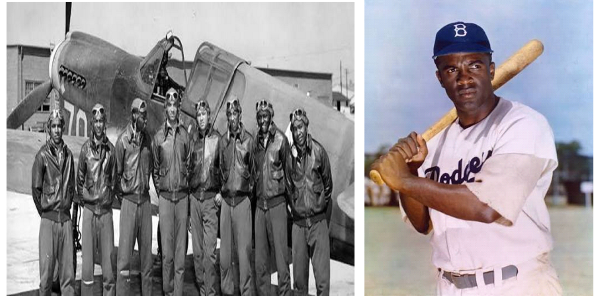
President Trump's administration has been busy trying to minimize and erase African American history and contributions to the success of the U.S. in a myriad of ways, including: selectively eliminating aspects of the African American experience from Smithsonian Museums;  race neutral curriculum, micromanagement of school curriculum, banning books on African American  history and contributions. In  addition, in a society that glorifies wars, celebrates war heroes and stresses patriotism, The Pentagon has removed information  from its website about the Tuskegee Airmen, and Jackie Robinson's military history. In 2025 Arlington National Cemetery removed website links of prominent Black personnel, including Secretary of State General Colon Powell, the first Black Chairman of the Joint Chief of Staff.

This removal  of history and contributions of African Americans can undermine the self-esteem of Black children as they see limited  examples of achievement among members of their group. Overtime this can contribute to early heavy drug use as there is a link between heavy substance use and low self-esteem.

What parents can do in this climate.

  • Teach your children about Black contributions. If your children are young, start with the poem A Day Without Black People.

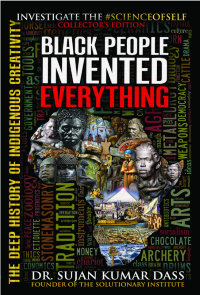
  • As the child ages, introduce them to the book Black People Invented Everything by Dr. Sujan Kumar Dass. While Black people have not invented everything, we've invented enough for children to be proud of those contributions.

  • Get your children a library card and encourage them to read age appropriate biographies and autobiographies about Black contributors and achievers. This can help to balance what is not being taught in the classroom.

  • Expose your children to documentaries and movies of African Americans who achieved against all odds.

Tags African American History
Mentorship for African American Addictions Professionals →

POWERED BY SQUARESPACE